Enigmatic in the Tent: How the Mona Lisa Baked Her Way to Soggy-Bottomed Glory
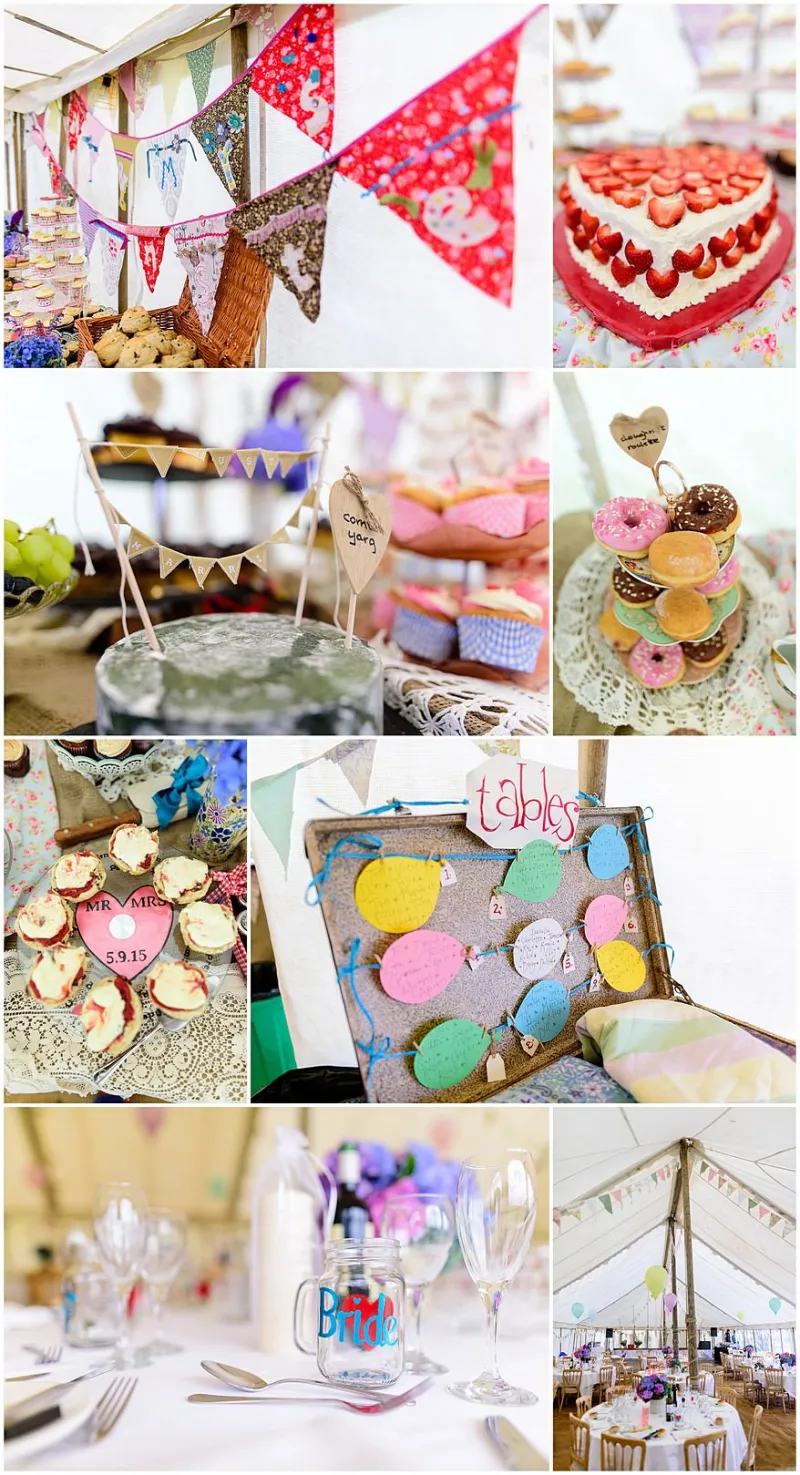
Photo: baking tent marquee village fete cakes bunting, via paulkeppel.co.uk
There are two things Britain takes seriously: portraits of mysterious Italian women, and whether a bake has a decent crumb structure. So naturally, when Channel 4 announced a celebrity special with 'one of the most recognisable faces in art history', we cleared our diaries, made a pot of tea and prepared to watch five centuries of Renaissance mystique face the ultimate test — a Victoria sponge under studio lighting.
She arrived at the tent in a velvet cloak. Nobody asked why. Nobody dares.
Week One: Cake Week, or 'The Soggy Bottom Incident'
The signature challenge was a classic sponge, and from the offset it was clear Mona had opinions about butter temperature. She creamed sugar and spread slowly, deliberately, with the air of a woman who has watched empires fall and cannot be rattled by a KitchenAid.
Then came the crunch. Literally. Paul Hollywood pressed his fork into the base, paused for dramatic effect — a pause he has clearly practised in a mirror — and delivered the fatal verdict: 'You've got a soggy bottom.'
What followed will be studied by art historians for generations. Mona said nothing. She simply turned her head three degrees to the left, raised one eyebrow by approximately half a millimetre, and smirked. Not a defensive smirk. Not an embarrassed smirk. The smirk. The one that says 'I have been analysed for 500 years and you think your fork frightens me?'
Prue described it as 'deliciously enigmatic'. Paul ate a second slice when he thought nobody was looking. Case closed.
Week Two: Biscuit Week and the Great Genoise Gambit
For the technical, the bakers were asked to produce florentines — a Renaissance-adjacent bake if ever there was one, all almonds and citrus and showing off. Mona treated it like a fresco commission from a wealthy banker: with quiet contempt and immaculate proportion.
Her florentines were, by every judge's admission, structurally perfect. The problem was the tempering of the chocolate on the reverse, which she did over a bain-marie while maintaining unbroken eye contact with the camera operator. Sue Perkins-era chaos energy, but in oil-portrait form.
She came fourth in the technical. She did not appear to know this. When the presenter told her, she looked directly into the middle distance, the way she has been doing since roughly 1503, and said only: 'The chocolate is a metaphor.'
Nobody followed up. Everyone was too unnerved.
Week Three: The Bread Week That Broke the Internet
Bread Week is where legends are made and Hollywood handshakes are withheld, and Mona arrived with a plan: a showstopper shaped like her own frame, complete with a sourdough smirk scored into the crust.
The bake itself was flawless — a deep, golden crust with an ear of wheat pattern that Prue called 'genuinely moving'. The drama came at judging, when Paul leaned in and asked the question the entire nation had been shouting at their televisions since episode one:
'Why the smile?'
A hush fell over the tent. The ovens ticked. Somewhere, a gull screamed.
Mona reached for her butter knife, tapped it twice against the bench, and replied: 'Because I know something about this ganache that you don't.'
He gave her the handshake. Of course he gave her the handshake. You would too. I would too. The Archbishop of Canterbury would too.
The Judging Commentary, Transcribed for Posterity
For those who missed it, we've compiled the judges' finest lines from the series:
- 'The crumb is tight, the smile is tighter.' — Paul Hollywood
- 'It tastes like the inside of a Florentine bank vault. In a good way.' — Prue Leith
- 'She hasn't blinked since Tuesday and I find it inspiring.' — An unnamed presenter, off-air
- 'Her lamination has layers. Literally and emotionally.' — Paul, visibly shaken
Final Week: The Showstopper and the Choux-based Meltdown
Every Bake Off champion needs a wobble, and Mona's came during the final showstopper: a towering choux sculpture of the Louvre itself, pyramid and all.
It collapsed. Spectacularly. Profiteroles rolled across the tent like tiny delicious cannonballs. A camera operator went down. Noel (or whoever presents now — it changes) declared it 'the most beautiful disaster in tent history'.
And here's the thing: she laughed. The first recorded laugh in five centuries. A short, bark-like laugh, quickly suppressed, but witnessed by twelve crew members and a thermos.
She still won. The judges said her Louvre 'captured the melancholy of French architecture and the crispness of a properly baked choux'. She accepted the cake stand with the same expression she's worn since the 1500s, which is to say: inscrutable, mildly amused, and radiating the energy of a woman who will absolutely be doing the panto circuit next Christmas.
Where Is She Now?
Reports suggest she's turned down Strictly, declined I'm a Celebrity ('the jungle lacks chiaroscuro'), and is currently selling limited-edition sourdough starters named after Italian Renaissance patrons from a stall in Norfolk. £6 a jar. No refunds. No explanations.
The smile, as ever, remains unexplained. Though if you ask us, the mystery was never about her face — it was about what she'd do to a soggy bottom. And now, thanks to the tent, we know: absolutely nothing. She'd let it slide, smirk, and take the handshake anyway.
Cinquecento queen. National treasure. Soggy bottom denier. We simply must have her back next series.