The Eyes Have It: Confessions of Britain's Creepiest Pub Portraits
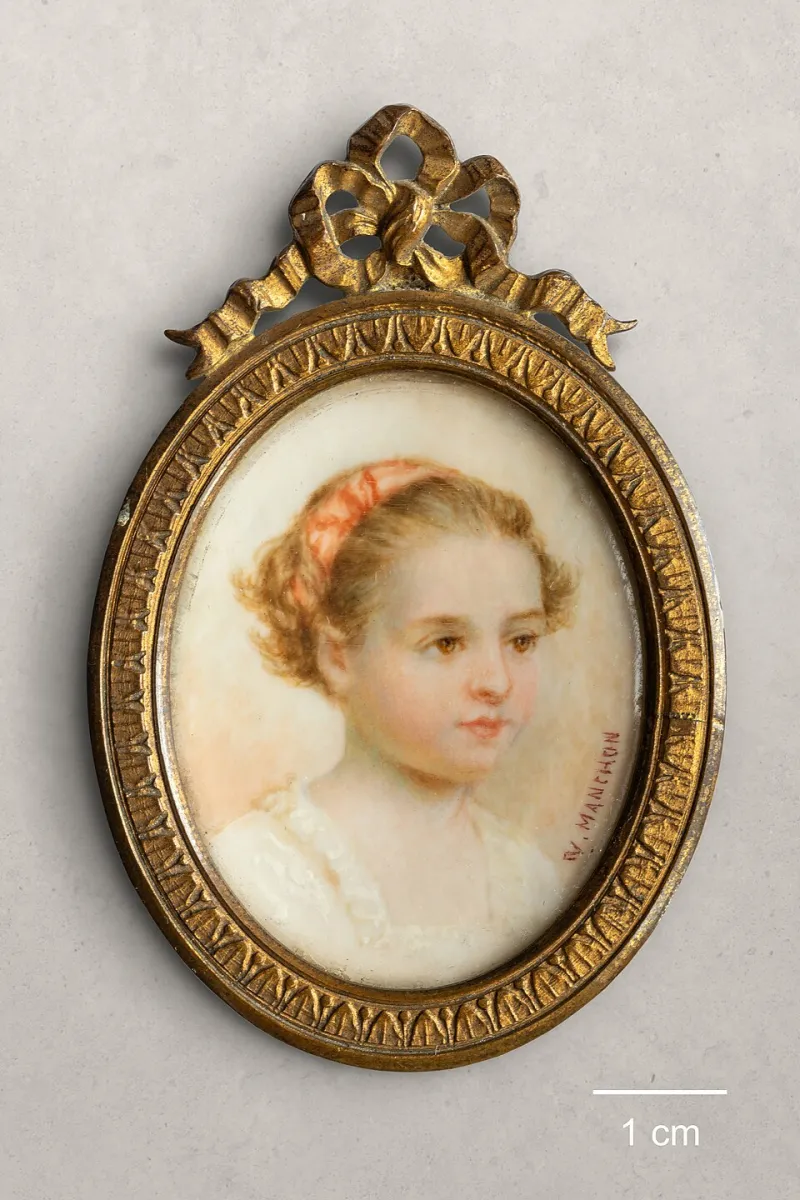
Photo: Valentine Manchon Duchesne, Public domain, via Wikimedia Commons
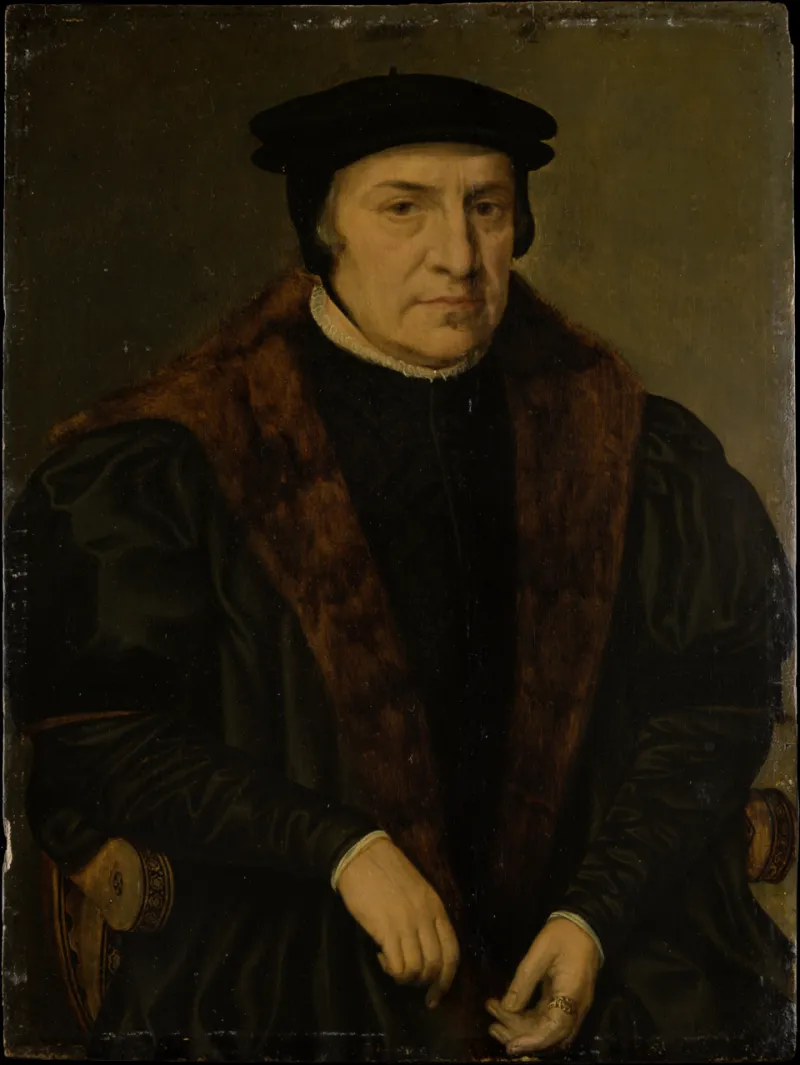
There's a painting above the bar at The Crooked Cue in Wigan that I cannot stop thinking about. It depicts a stern Victorian gentleman in a fur collar, and I am convinced — genuinely, bone-deep convinced — that he watched me eat my scampi fries. All of them. Individually.
If you've spent any time in British pubs, you know the one. Every boozer has a portrait whose eyes seem to track your every move, following you from the dartboard to the carvery with the quiet judgement of a disapproving aunt. What you may not know is that some landlords are doing this on purpose.
The Deliberate Haunt
'People think I found him at a house clearance,' says Denise, landlady of The Crooked Cue and owner of the fur-collared watcher, whom regulars have named Gerald. 'I didn't. I rang four antique fairs asking specifically for something that would unsettle people. Best £40 I ever spent.'
Denise is part of a small but growing band of publicans who lean into the creepy-artwork aesthetic like it's a second fireplace. The formula, she explains, is precise: oil paint, preferably varnish-yellowed; a gaze at exactly 45 degrees off-centre; and 'a mouth that suggests they know something about your pint.'
Gerald, for the record, delivers on all three counts.
A Field Guide to the Haunted Boozer
Through entirely unscientific research conducted across several counties and many, many packets of pork scratchings, I've identified the classic specimens:
- The Watchful Aristocrat — Frowning nobility, usually hung over the optics. Judges your round selection. Thinks you should've gone for the guest ale.
- The Maritime Stare-er — A sea captain whose eyes say he's seen things. Things worse than a microwave pie. Hung near the door so he greets you on arrival, like a bouncer from 1847.
- The Smirking Unknown Woman — The Mona Lisa's rowdier cousin. She knows about the karaoke. She saw the karaoke.
- The Dog — Not technically haunted, but painted with such human eyes that nobody will sit beneath him after 9pm.
The Regulars Fight Back (With Love)
Here's the twist I didn't expect: people adore these paintings. Genuinely, emotionally adore them.
'When the pub changed hands in 2021, we all assumed Gerald would go,' says Mick, a regular at The Crooked Cue for longer than he'll admit. 'There was talk of a petition. A proper one, with clipboards.' The new owner kept him. The petition was quietly binned, though Mick keeps the blank sheets 'in case.'
Another regular, Sandra, admits she says goodnight to the maritime captain at her local in Portsmouth. 'He's seen me at my worst. It feels rude not to acknowledge that.'
This is the peculiar magic of the haunted pub portrait: it becomes furniture, staff, and institution all at once. You don't decorate a pub with a painting like that. You employ it.
Why It Works
There's a theory — mine, but I'm standing by it — that British pubs need a touch of the uncanny. We're a nation that loves a ghost story with our bitter, and a portrait that watches you drink is the perfect low-stakes haunting. It's company without conversation. Atmosphere without a speaker system playing 'Fairytale of New York' in November.
The Mona Lisa herself, of course, is the patron saint of this movement: half a millennium of following people round a room and refusing to explain herself. Every pub portrait is her rowdy descendant, working a shift above the bar in Doncaster.
A Toast to the Watchers
So next time you clock that oil-painted gaze tracking you towards the loo, don't shudder. Raise your glass. That painting has outlasted every landlord, every refurb, every ill-fated attempt at a cocktail menu. Gerald has seen empires fall. Gerald has seen the introduction of the shared platter.
Gerald is not haunted.
Gerald is home.